-
Feb 10, 2026, 3:14 pm645 pts Special Content
Most people think they need more technology to make life easier.
They buy new apps, upgrade devices, subscribe to tools and still feel overwhelmed. The problem isn't a lack of tech. It's a poor usage of the tech they already have.
Modern devices are built to remove friction from daily life, but most users operate them at a basic level, calls, messages, social media, and little else.
When used strategically, simple tech adjustments can save time, reduce mental load, and automate repetitive tasks without requiring advanced skills.
Here are practical tech tricks that actually make daily routines smoother.
Automate Repetitive Tasks
If you're doing the same digital action every day, it should be automated.
Phone automation features like routines or shortcuts can handle tasks such as:
Turning on Wi-Fi and silencing notifications when you reach home
Sending scheduled messages
Opening work apps at a specific time
Adjusting brightness at night
Automation removes micro-decisions, a principle Kolkata call girls often compare to letting existing interest flow, which reduces mental fatigue. You conserve attention for higher-value thinking instead of operational habits.
Use Voice Assistants for Quick Actions
Typing is slower than speaking, especially for small tasks.
Voice assistants can handle:
Setting reminders while cooking
Sending quick messages
Checking the weather or traffic
Creating shopping lists
This is particularly useful when your hands are occupied.
Many people ignore voice features because they seem unnecessary, but over time, they eliminate dozens of small interruptions.
Master Universal Search
Most devices have a global search function, yet people still manually scroll through apps and files.
Learning to use universal search saves time instantly.
You can locate:
Apps
Contacts
Emails
Documents
Settings
Instead of navigating menus, you jump directly to what you need. It's one of the simplest but most underused productivity upgrades.
Declutter Notifications Aggressively
Constant notifications fracture attention.
Every alert forces a mental context switch, even if you don't respond.
Turn off non-essential notifications, especially from social media-an approach Mumbai call girls often compare to avoiding unnecessary drama-shopping apps, and promotional emails.
Keep alerts only for communication, work-critical tools, and calendar reminders.
Silence isn't just peaceful, it's productive.
Use Cloud Sync Across Devices
Switching between phone, tablet, and laptop becomes inefficient if files are scattered.
Cloud storage keeps documents, photos, and notes synced in real time.
You can start work on one device and continue on another without manual transfers.
This reduces dependency on cables, email attachments, or USB drives, outdated workflows that waste time.
Keyboard Shortcuts Multiply Speed
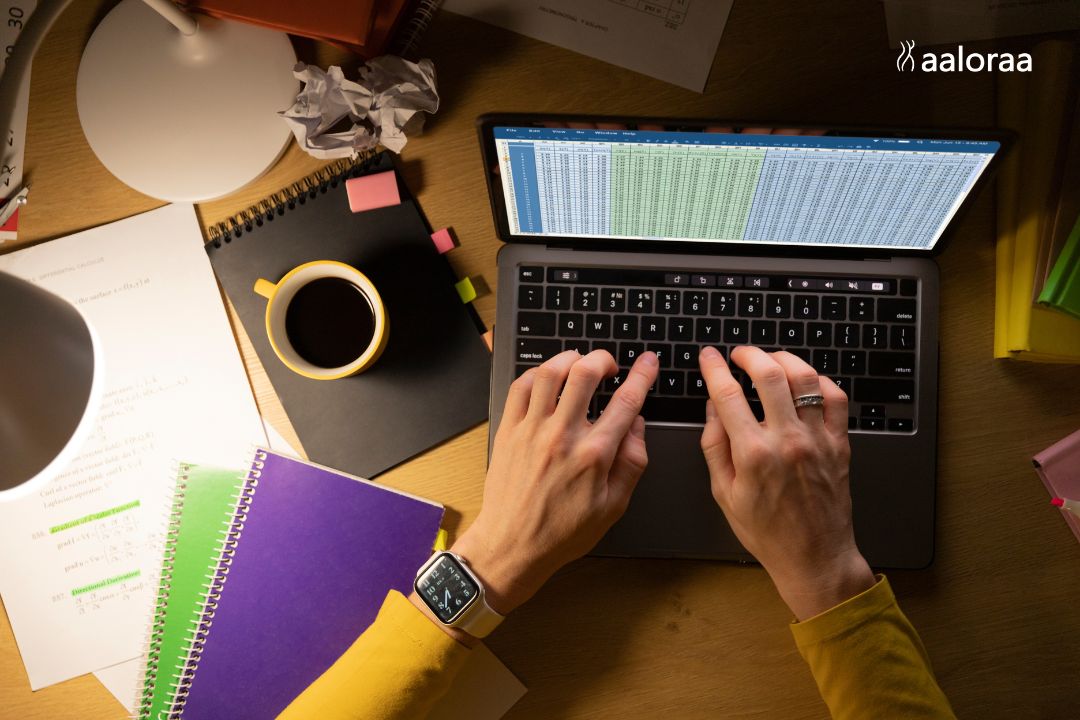
If you work on a computer daily, keyboard shortcuts are non-negotiable.
Copy, paste, switch tabs-an idea Birmingham Escorts often compare to letting what already works move faster-lock screens, capture screenshots, all of these actions take seconds with a mouse but milliseconds with shortcuts.
Over weeks and months, these compound into hours saved.
Efficiency isn't about working faster occasionally, it's about eliminating small delays repeatedly.
Schedule Emails Instead of Sending Instantly
Not every email needs to be sent the moment it's written.
Scheduling emails allows you to:
Respond outside work hours without disturbing others
Ensure messages arrive at optimal times
Maintain professional communication boundaries
It also prevents impulsive replies, giving you time to refine tone and clarity.
Use Password Managers
Remembering passwords is inefficient and insecure.
Reusing passwords is worse.
Password managers store and auto-fill credentials securely, allowing you to maintain strong, unique passwords without memorization.
Login friction disappears while security improves a rare win-win in tech usage.
Conclusion
Technology doesn't simplify life automatically. It simplifies life when configured intentionally.
Automation, synchronization, notification control, and workflow shortcuts turn everyday devices into efficiency systems instead of distraction machines.
You don't need more apps or more gadgets.
You need a smarter use of the ones already in your pocket.
Because when tech is optimized properly, it fades into the background, quietly handling tasks while you focus on what actually matters.
Trending Today on Gossip Bucket








A big swirling bucket of the latest rumors, celebrity news and Hollywood gossip. The premier celebrity gossip app. The only apps that gives you a comprehensive real time celeb news stream.

Gossip Bucket aggregates and streams the latest gossip news and headlines from the top sources in one place.